25-Year Warranty Trap: KSolare's Epic Promise vs Premier's Silent Takeover
The 25-Year Solar Inverter Promise That Could Vanish Overnight: A Cautionary Tale from KSolare's Dramatic Takeover
Syed Azad Ali
12/3/20254 min read
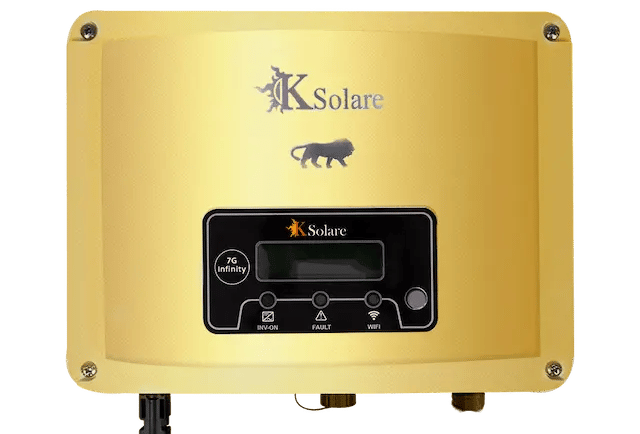
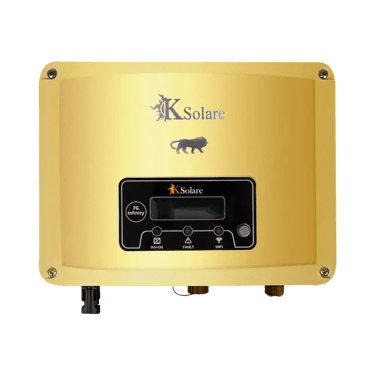
Imagine this: You're standing on your rooftop, watching solar panels gleam under the Indian sun, dreaming of two decades of free electricity. Your installer hands you a shiny new KSolare 7G Infinity inverter—branded with a jaw-dropping 25-year warranty. "This matches your panels perfectly," they say. "Buy once, forget forever." You sign off, feeling like you've cracked the code to worry-free renewable energy. Fast-forward a year, and headlines scream: Premier Energies, a solar manufacturing giant, has swooped in to acquire KSolare. Excitement builds—bigger backing, better future! But then the whispers start: What happens to that epic warranty now?
This isn't fiction. It's the real story unfolding right now in India's booming solar market, where flashy promises meet the harsh realities of corporate chess. As the founder of Sustyield Solar, you've seen it all—hype, hardware, and the heartbreak of failed service calls. Let's walk through this saga step by step, unpacking why that 25-year dream might be more marketing magic than ironclad guarantee, and how you can arm yourself (and your readers) to pick inverters that actually last.
From Pune Garage to National Spotlight: KSolare's Meteoric Rise
Picture a scrappy Pune-based startup in 2012, born amid India's solar awakening. KSolare Energy didn't just build inverters; they built a legend. By 2023, they unveiled the 7G Infinity series—on-grid wonders touted at events like REI Expo, complete with endorsements from heavyweights like Nitin Gadkari. The hook? A 25-year unconditional warranty, explicitly designed to sync with your solar panels' lifespan. No more mismatched timelines where panels outlive inverters. Revenue hit ₹342 crore in FY25, fueled by a Pune factory churning out 500,000 units yearly—on-grid, off-grid, hybrids, all aimed at rooftops hungry for PM Surya Ghar subsidies.
Customers loved it. Homeowners envisioned zero replacement hassles. EPCs had a killer pitch: "Panels and inverter, both bulletproof for 25 years." But beneath the buzz, inverters are no simple gadgets. They're power-hungry beasts wrestling daily with 45°C heat, dusty monsoons, erratic grids, and capacitor-killing surges. Most global players like SMA or Fronius cap warranties at 10-12 years for good reason—electronics degrade. KSolare's bold claim screamed innovation... or overconfidence?
The Billion-Rupee Plot Twist: Premier Energies Enters the Stage
Enter October 2025. Premier Energies, India's solar cell and module powerhouse scaling to 10 GW capacity, teams up with electronics wiz Syrma SGS. They ink a ₹170 crore deal: Premier grabs 51%, Syrma 49%, turning KSolare into Premier's subsidiary. The factory? Doubling to 1 million inverters via a new brownfield site. Leaders gush about "Made in India" dominance, rooftop revolutions, and PM Surya Ghar glory. Sunil Sinnarkar, KSolare's founder, stays on as Executive Director, promising continuity.
On the surface, jackpot! Premier's muscle means wider reach, fatter wallets for R&D, and muscle against Chinese imports. But here's the shadowy underbelly: No press release spells out what happens to those pre-takeover 25-year warranties. Will Premier's balance sheet back claims in 2045? Or will fine print, integration hiccups, or shifting priorities quietly erode them? In M&A world, acquisitions often mean rebrands, cost-cuts, and orphaned promises. Legacy customers could face "valid but unenforceable" warranties—technically alive, practically ghosts.
The Hidden Cracks in a "Forever" Warranty
Let's pull back the curtain on what a 25-year inverter promise really demands. Inverters aren't set-it-and-forget-it toys; they're the beating heart of your solar system, converting DC to AC 24/7. Components like IGBTs, electrolytic capacitors, and fans wear out fastest—heat accelerates it all. Established brands know this: 5-7 years standard, extendable to 10-12 with paid riders. Why? Because predicting Year 20 failures is gambling.
KSolare bet big, claiming superior derating, conformal-coated PCBs, and "infinity" durability. Noble, but risky. A warranty isn't free goodwill—it's a liability bomb. Funding decades of repairs needs deep pockets, spare-part hoards, and legal steel. If claims spike (as they do post-Year 5), or if ownership shifts without explicit handover, poof—your protection evaporates. We've seen it before: Brands fold, get absorbed, and customers chase shadows for service. Premier's silence? Not malice, but business as usual. Until they affirm "all existing warranties honored verbatim," treat that 25-year sticker as inspirational, not insurance.
Your Survival Guide: Picking Inverters That Won't Betray You
So, how do you dodge this trap? Forget brochure dazzle. Treat inverter shopping like buying a house—inspect foundations, not facades. Start with the company, not the specs.
Dig into the warrantor's DNA: Is it a focused inverter specialist or a solar conglomerate like Premier? Check years installed (aim for 5+), revenue diversity (rooftops alone is risky), and public filings for solvency. Post-acquisition like KSolare's, email service@premierenergies.com: "Will my serial #XXXXX 25-year warranty transfer unchanged?" No reply? Red flag.
Next, dissect the warranty document like a lawyer. Who’s the exact legal entity? Exclusions for "improper installation" or "acts of God"? Claim process—online portal with 48-hour TAT, or phone tag? Does it cover "equivalent replacement" (code for downgrades)? A crystal-clear 10-year policy from a stable giant trumps vague 25-year hype.
Service is the real MVP. Inverter failure in peak summer? Days offline kill ROI. Prioritize brands with state-wise centers, stocked spares, and EPC partnerships. BIS/IEC certification? Non-negotiable for grid safety. Tech-wise, favor wide MPPT ranges for partial shading, 98%+ efficiency at real loads (not peak), and IP65+ enclosures for India's grit.
Finally, balance sheet over buzz. Public firms like Premier face shareholder scrutiny—good for longevity. Privates? Riskier if acquisition bait.
The Morning After: What Premier-KSolare Means for You
This takeover isn't doom—it's evolution. Premier could supercharge KSolare into a reliability rockstar, honoring warranties while scaling. But without clarity, it's a wake-up call. For Sustyield Solar clients, it underscores our mantra: Conservative choices endure.
The lesson? Solar success isn't panels + inverter = profit. It's picking partners who'll stand by you when the sun sets on warranties. Next time a salesperson flaunts "25 years forever," smile and ask: "In writing? Post-takeover? With TAT guarantees?" In India's solar gold rush, the winners aren't the flashiest—they're the ones still fixing your system in 2040.